
The Best Cocktail Cans for Home Bartenders: A Complete Guide
Cocktail cans are exactly what they sound like—pre-mixed, ready-to-drink cocktails sealed in aluminum, so you skip the shaker and get straight to sipping. Pop the tab, pour over ice (or don’t), and you’ve got a bar-quality drink in seconds, with zero mess or guesswork. The real win here is instant convenience without sacrificing flavor, since these cans lock in the recipe’s balance until you crack them open—perfect for picnics, camping, or just a lazy Tuesday night.
What Exactly Is Inside a Ready-to-Drink Cocktail Can?
Inside a ready-to-drink cocktail can, you’ll find a pre-mixed blend of **base spirits**, like vodka, gin, or rum, combined with flavorings such as fruit juices, botanicals, or natural essences. The liquid also includes sweeteners—often simple syrup or agave—to balance the taste, plus carbonated water if the cocktail is a fizz or spritz. To keep it stable and shelf-ready, there are usually acid regulators like citric acid and preservatives such as potassium sorbate. The alcohol by volume typically sits between 5% and 15%, depending on the recipe, and the can itself is sealed under pressure to maintain carbonation or freshness. No ice or garnish is inside—just the drink, ready to pour over ice if you prefer. The key is that **every ingredient is already dissolved and mixed**, so you get consistent flavor with zero prep work.
Breaking Down the Ingredients and Alcohol Content You’re Actually Sipping
When you crack open a cocktail can, the label’s alcohol content by volume (ABV) typically ranges from 5% to 15%, but the real story lies in the ingredient list. Most cans rely on a base spirit—vodka, gin, or tequila—diluted with carbonated water, fruit juice, or natural flavorings, plus preservatives like citric acid to stabilize acidity. Unlike a bar-made drink, you’re often sipping a malt-based or neutral spirit blend, not the premium liquor implied by the branding. Check the fine print for “flavored with natural essences” versus real juice; sugar content can rival soda, masking the ethanol kick. Always verify the serving size—some cans hold 1.5 standard drinks, not one.
Your cocktail can’s ABV and ingredient hierarchy—base spirit, mixers, sweeteners, and preservatives—determine whether you’re drinking a crisp spirit-forward sip or a sugary, low-proof refresher.
How Carbonation Levels Differ Across Popular Canned Cocktail Styles
Carbonation is the hidden lever that defines a canned cocktail’s mouthfeel. Fizzy styles like a Tom Collins or Ranch Water get a hefty, spritzy charge—think 3.5 to 4 volumes of CO₂—creating a sharp, tingly bite that mimics a fresh-squeezed soda. In contrast, a canned Negroni or Old Fashioned sits nearly flat, with under 1 volume, to let whiskey or vermouth’s botanical weight shine without sharpness. Meanwhile, tropical drinks like a Painkiller hover in the middle, using a gentle 2-volume fizz to lift coconut and citrus without turning foamy. This spectrum matters because carbonation levels dictate perceived sweetness and alcohol warmth, so a high-fizz can tastes drier and cooler, while a low-fizz style feels richer and more sippable.
**Q: How carbonation levels differ across popular canned cocktail styles?**
A: They range from near-still (classics like Martini variations) to aggressively sparkling (gin fizz types), with tropical blends landing in a soft, effervescent Espresso Martini cocktail cans middle ground.
How to Serve Canned Cocktails So They Taste Like They Came From a Bar
To elevate a canned cocktail beyond its aluminum confines, start by chilling the can deeply, then pour it over a single, large ice cube in a pre-chilled glass—this mimics dilution without flattening carbonation. Transferring the liquid is non-negotiable, as drinking from the can traps aromatics and masks the intended texture. Use a citrus twist or expressed orange oil to revive the top notes that get lost during packaging. For stirred-style drinks like an old fashioned, add a bar spoon of water before pouring to unlock the botanicals, whereas fizzy options benefit from a brisk, angled pour to preserve their effervescence. A final garnish can make the difference, but never let it sit too long, or the cocktail loses its intended chill. Serve immediately, and the difference between average and excellent becomes a matter of ritual, not ingredients. Glassware and temperature control are the true keys.
Glassware, Garnishes, and Ice: The Three Upgrades That Transform a Can
The easiest way to make a canned cocktail taste like a bar pour is to give it the full glassware, garnishes, and ice treatment. Ditch the can and pour over a big ice cube in a chilled coupe or rocks glass—dilution is your friend, but slow, chunky ice beats crushed. Then, add a fresh citrus twist or a single skewered cherry, which instantly lifts the flavor profile. This simple ritual, what I call the three-upgrade bar trick, changes everything about the drinking experience. The cold glass, the aromatic oils from the peel, and the controlled melt all work together to mimic a freshly shaken cocktail, proving the container never matters as much as the presentation.
When to Pour Over Ice vs. Serving Straight from the Fridge
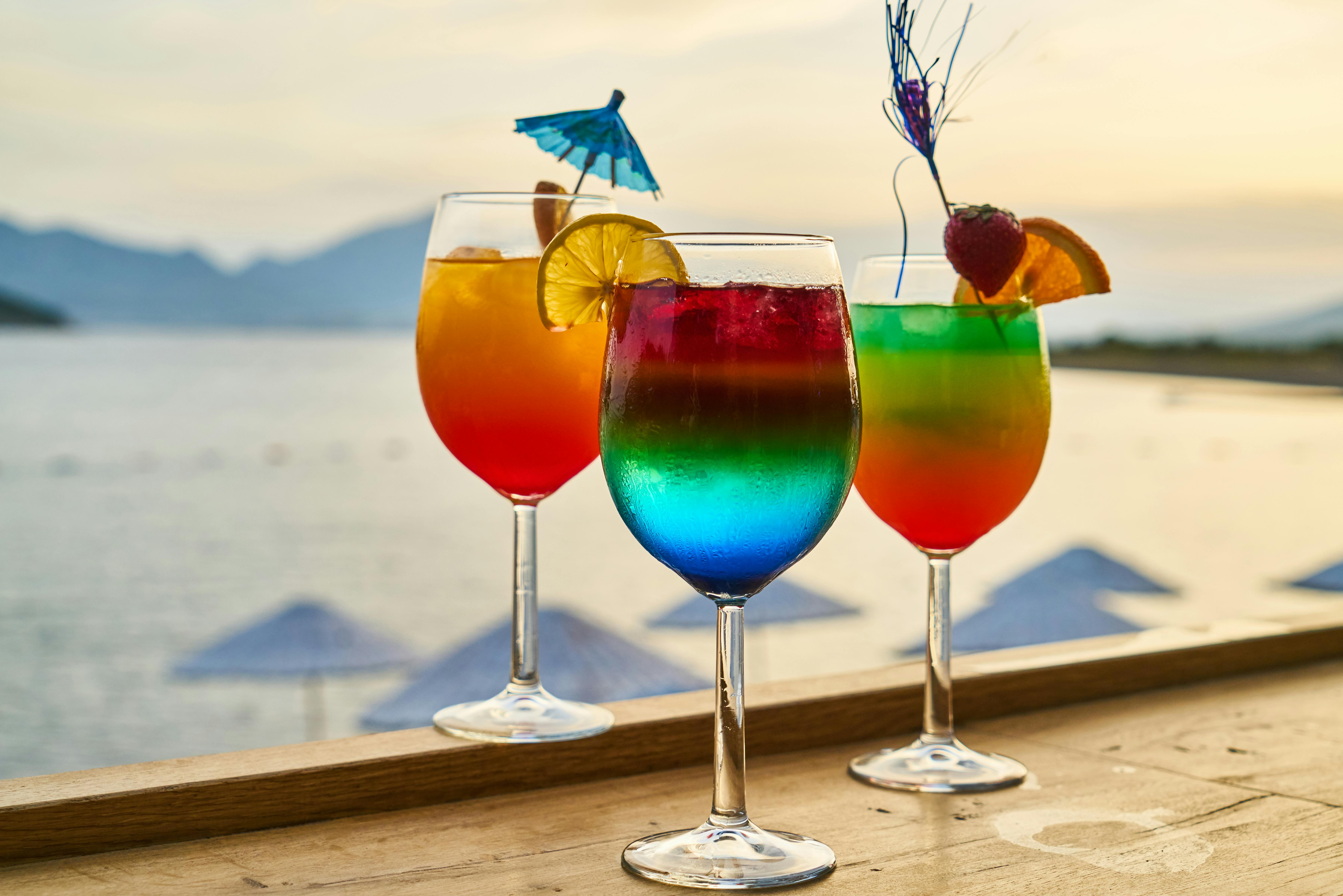
Pour over ice when the can’s flavor profile leans spirit-forward, like an Old Fashioned or Negroni, because dilution tames ethanol burn and unlocks botanicals. Serve straight from the fridge for citrus-heavy or sparkling blends, where cold preserves carbonation and prevents watery breakdown. If you’re unsure, check the ABV: anything above 15% benefits from ice, while lower-proof cans taste best untouched. Pouring over ice also extends sipping time, making it ideal for highballs or tropical mixes. For a crisp, refreshing finish with no melt-off, chilled-only wins. Decision rule for cocktail cans is simple: ice for strength, fridge for fizz. A quick comparison clarifies it.
| Situation | Pour Over Ice | Straight from Fridge |
|---|---|---|
| High alcohol (15%+ ABV) | Yes—softens heat | No—harsh finish |
| Carbonated or citrus-forward | No—dilutes bubbles | Yes—keeps snap |
| Hot day, slow sipping | Ideal—stays cool longer | Warms quickly |
How to Choose the Right Can for Your Palate and Occasion
Choosing the right cocktail can hinges on matching its flavor profile to both your mood and the setting. For a crisp afternoon picnic, a bright, citrus-forward gin and tonic or a light tequila soda cuts through the heat, while a rich, smoky mezcal margarita or a bourbon old fashioned suits an evening gathering or a cozy night in. If you’re hosting a casual barbecue, opt for bold, spicy flavors like a bloody mary or a jalapeño pineapple punch that stand up to grilled food. For dessert or a formal toast, a creamy espresso martini or a sweet, barrel-aged negroni delivers sophistication. Always check the ABV and sugar content—a lower-sugar, tart can is better for daytime, while a higher-proof, sweeter option works as a slow-sipper. **Ask yourself: Am I pairing this with food, needing refreshment, or savoring a moment?** That single question narrows your choice instantly, ensuring the can you pop matches the occasion perfectly.

Matching the Base Spirit (Vodka, Rum, Tequila) to Your Flavor Preferences
Your palate should anchor the spirit choice in a canned cocktail. If you prefer clean, citrus-forward, or berry-driven flavors, **vodka-based cans** offer a neutral canvas where the mixer dominates, making them ideal for bright, refreshing profiles. For caramel, vanilla, or tropical notes like pineapple and coconut, rum cans deliver natural sweetness and a heavier mouthfeel, suiting a richer, indulgent preference. Tequila cans, especially blanco or reposado, bring herbaceous, earthy, or peppery characters that pair well with lime, grapefruit, or spicy jalapeño accents—perfect for those who want a distinct, savory edge. Match the spirit’s inherent flavor to the profile you crave; otherwise, the alcohol can clash with your intended taste.
Choosing a can comes down to aligning the base spirit—vodka for neutral fruit, rum for rich sweetness, tequila for earthy spice—with your dominant flavor preference.
Sweetness, Acidity, and Bitterness: Decoding the Flavor Profile on the Label
Before opening a cocktail can, scan the label for cues to sweetness, acidity, and bitterness. Three key terms act as your flavor compass: “off-dry” signals noticeable sugar, while “crisp” or “bright” indicates higher acidity that cuts richness. Look for specific fruit descriptors like “citrus zest” (acidic) versus “stone fruit” (sweeter). Bitterness often hides in words like “botanical,” “herbal,” or “amaro,” suggesting a lingering, dry finish. If the label lists ingredients, check the order: sugar sources (agave, simple syrup) appear first for sweet drinks, while citrus juice or vinegar points to acidity. For bitterness, look for quinine, hops, or bitter orange. This label-reading skill—decoding the flavor profile on the label—lets you predict whether a can will sip like dessert, a refresher, or a digestive before you commit.

How to Store and Chill These Drinks for Perfect Results Every Time
To achieve perfect results every time, store cocktail cans upright in a consistently cold environment, ideally between 34–38°F, which preserves carbonation and prevents metallic off-flavors from prolonged contact with the liquid’s acidic ingredients. For rapid chilling, submerge cans in an ice-water bath with a handful of salt for 10–15 minutes—this drops temperature far faster than a freezer, which risks slushy separation or explosive pressure buildup if forgotten. Never leave cans in a freezer beyond 30 minutes; instead, rotate a few into the fridge overnight for even, stable cooling. Once opened, always re-seal with a tight cap or invert a small glass over the top, but consume within hours—oxidation dulls the cocktail’s brightness.
Chill the glass, not just the can, and pour over one large ice cube to maintain dilution control for the final sip.
Keep cans out of direct sunlight and away from warm appliances to avoid thermal cycling that degrades flavor compounds.
How Long Do Opened Cans Last? And What to Do With a Leftover Half
Once you crack open a cocktail can, the clock starts ticking, and carbonation or citrus-forward flavors fade fast. Generally, an opened can lasts only 24 to 48 hours in the fridge, assuming you cover it tightly with plastic wrap or a lid—after that, oxidation flattens the drink and dulls its aroma. For that leftover half, don’t sip it flat: pour it into a small glass bottle or Mason jar to minimize air exposure, then chill immediately. Better yet, transform it—freeze the remainder into ice cubes for a future cocktail, or mix it into a spritz with fresh soda water to revive sparkle. Oxygen is your enemy, so cap it fast or repurpose it within a day.
- Store opened cans upright with a tight seal in the coldest part of the fridge.
- Use a vacuum stopper if you have one—it buys you up to 48 hours.
- Leftover half? Make cocktail ice cubes or a quick highball with tonic.
- Smell it before sipping; if it smells flat or sour, toss it.
Can You Freeze Them? The Truth About Texture and Dilution
Freezing a cocktail can is tempting, but it’s a fast track to texture ruin. As the liquid freezes, water separates from alcohol and flavor compounds, creating a slushy, grainy mouthfeel that never fully re-homogenizes. Worse, dilution attacks your drink: ice crystals puncture the can’s structure, and upon thawing, you’re left with a watery, flat version of the original. The only safe move is to chill, never freeze. For perfect results, follow this sequence: submerge the can in an ice-water bath for 15 minutes, rotate it halfway through, then serve immediately. If you must freeze, accept the texture change and drink it semi-frozen as a slush—never as a crisp, clean cocktail.
What Are the Hidden Perks of Buying Drinks in Aluminum Instead of Bottles?
Choosing cocktail cans over glass bottles unlocks several practical advantages beyond simple portability. Aluminum chills dramatically faster, so your pre-mixed Negroni or Margarita reaches that ideal icy temperature in about half the time, preventing dilution from over-melting ice. The opaque surface completely blocks light, which degrades delicate citrus and botanical flavors, keeping the cocktail’s profile intact far longer than a clear bottle. Cans also cool your hand less aggressively, meaning you can hold a frozen drink without a koozie. Because aluminum is pressure-capable, canned cocktails hold carbonation and fizzy textures better, with zero risk of a broken bottle at the beach or poolside. The subtle trade-off is that aluminum’s thin metal can impart a faint metallic note if the drink sits half-open for hours, so decanting remains ideal. Finally, the lightweight stackability lets you pack more variety into a cooler without the clinking weight, making them the quietly superior choice for outdoor events where glass is banned. For single-serving convenience, cans offer unmatched crushability after finishing, simplifying recycling.
Why Cans Keep Your Cocktail Fresher Longer Than Glass
The airtight seal of a cocktail can is the primary reason its contents outlast bottled alternatives. Unlike glass bottles with screw caps or corks, aluminum cans use a crimped lid that allows for near-zero oxygen transmission. Since oxygen is the catalyst for flavor degradation in citrus juices and botanicals, this barrier halts oxidative staling. Furthermore, cans block all UV light, which breaks down aromatic compounds in spirits and mixers. This dual protection means your pre-mixed Negroni or Margarita retains its vibrant, just-shaken character for months, not days. Glass, even darkened, permits gradual gas exchange and light ingress, accelerating dullness. For extended freshness, cans are functionally superior.
Aluminum’s oxygen-proof seal and complete light blockade keep cocktail flavors locked in, while glass’s permeability accelerates staling.
How the Lightweight Format Makes Them the Best Travel Companion
Sliding a six-pack of cocktail cans into a beach bag or backpack costs you almost nothing in weight, so you can hike farther without feeling like a pack mule. Because aluminum is featherlight compared to glass, your shoulder stays comfortable even when you are carrying a full cooler across a crowded picnic ground. The slim, cylindrical body fits neatly into bike bottle cages, cup holders, or jacket pockets, freeing your hands for a map or a fishing rod. This portable drink design means you can grab a margarita for a kayak trip or a negroni for a train ride without the bulk of bottles dragging you down. Every ounce saved translates into more spontaneous adventures, as you simply toss a can in your daypack and go.
Lightweight aluminum cans let you carry more cocktails with less effort, making spontaneous travel seamless and hands-free.
How to Fix a Canned Cocktail That Tastes Too Strong, Too Sweet, or Too Flat

You crack open a can, expecting balance, but the first sip hits like a dare. When it’s too strong, don’t dump it—pour it over a tall glass of ice and top with a splash of club soda or ginger ale, which stretches the alcohol while keeping the flavor bones. For a too-sweet can, a squeeze of fresh citrus—lime, lemon, or even grapefruit—cuts the syrup and adds a sharp edge; if you have bitters, three dashes will rebuild the structure entirely. A flat, dull canned cocktail comes alive with a pinch of salt (it lifts everything) or a quick stir with a cocktail pick of olives or a twist, which reintroduces aroma.
The real trick is treating the can like a base, not a verdict—your fridge is the finishing bar.
Taste as you go, and remember: dilution, acid, and garnish fix ninety percent of what a can gets wrong.
Quick Adjustments With Citrus, Soda Water, or Simple Syrup
When a canned cocktail’s profile is unbalanced, quick adjustments with citrus, soda water, or simple syrup offer a direct, ingredient-level correction without abandoning the can. If the drink tastes too sweet, a squeeze of fresh lemon or lime cuts through the residual sugar, adding acidity that rebalances the flavor ratio. Conversely, a too-bitter or sharp pour benefits from a few drops of simple syrup, which softens the bite without masking the base spirit. For a canned cocktail that feels overly boozy or syrupy, topping with soda water dilutes alcohol warmth and introduces carbonation, which also revives a flat mouthfeel. These three modifiers are portable, require no measuring tools beyond a rough pour, and adapt each can to personal taste in seconds.
- Add citrus sparingly, then taste—acidity can quickly overpower a delicate canned mix.
- Use simple syrup in half-teaspoon increments to avoid re-sweetening the drink past its intended profile.
- Soda water works best for high-proof or viscous cans where dilution is beneficial, not for already-light spritzes.
Common Mistakes That Ruin the Flavor and How to Avoid Them
The quickest way to ruin a canned cocktail’s balance is by ignoring the ice’s dilution factor—pouring straight from the fridge into a warm glass leaves the spirit harsh and the sweetness cloying. Another common mistake is shaking a carbonated can, which flattens the fizz and turns the texture flat and watery. Avoid these pitfalls by always chilling the can thoroughly and pouring over one large ice cube, not crushed ice that melts too fast. If you must adjust sweetness, add a pinch of salt or a citrus twist rather than more mixer, which only thins the profile further. For fixing overly strong canned cocktails, never dump in plain water—use a complementary sparkling water to preserve body while cutting alcohol burn.
- Don’t shake carbonated cans; stir gently after opening.
- Use one big ice cube to control dilution, not several small ones.
- Skip sugary syrups to fix bitterness; opt for citrus or saline drops.
- Always taste before adding anything—many mistakes come from over-correcting.